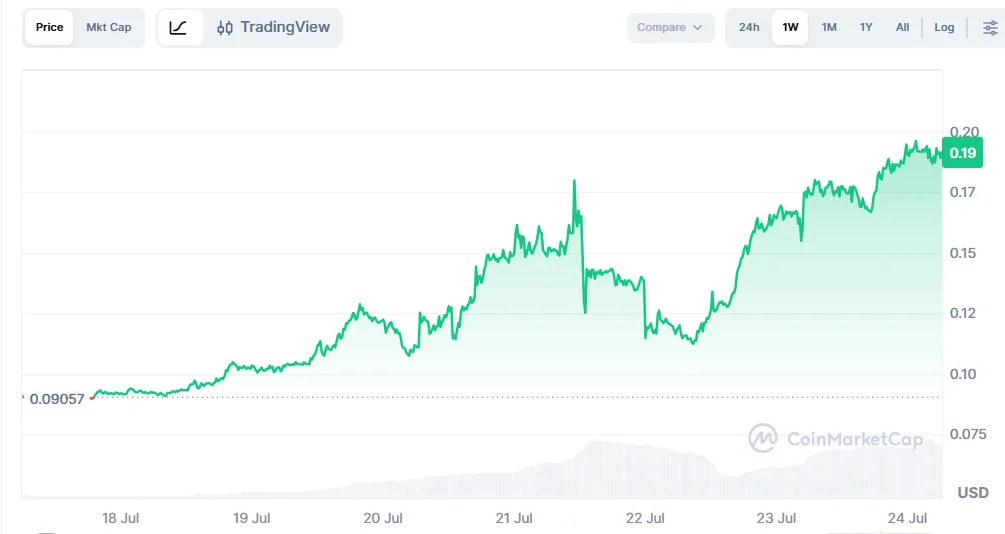
Orochi Network’s native token, ON, has climbed more than 100% over the past week, rising from around $0.09 to $0.19 and outperforming many RWA-related tokens over the same period. The rally followed the project’s recent Chainlink integration, which appears to have renewed market interest.
But the bigger story lies on-chain. Despite the top 10 wallets controlling roughly 97% of the token supply, there has been little evidence of meaningful selling from the largest holders throughout the rally.
That combination of a fresh catalyst and a highly concentrated ownership structure may help explain the scale of the move. With relatively few tokens available for active trading, even moderate buying pressure can have an outsized impact on price when major holders remain on the sidelines.
Chainlink Integration Put Orochi in the Spotlight
Orochi Network is a verifiable data infrastructure project built around zero-knowledge technology. In simple terms, it helps turn off-chain data into information that can be verified on-chain without exposing sensitive details. The project focuses on RWA, compliance, and decentralized finance (DeFi), with ON used for staking, fees, incentives, and governance.
In early July, Orochi announced that it had integrated with Chainlink, a development that was also featured in Chainlink’s ecosystem updates. The integration brings Chainlink’s Cross-Chain Interoperability Protocol (CCIP) to the network, enabling ON to move across supported blockchains. It also strengthens Orochi’s push to deliver verifiable data for on-chain applications.
The timing of the announcement closely matches the start of the recent rally. While it’s difficult to attribute a price move to a single event, the Chainlink integration gave the market a clear narrative around interoperability and RWA infrastructure. As interest in the token picked up, trading volume also rose sharply, suggesting the move was backed by stronger market activity rather than price momentum alone.
Whether that momentum continues is a different question. Announcements can attract attention, but lasting value usually depends on adoption. For Orochi, the next phase will be about whether the project can turn the visibility from the Chainlink integration into sustained use of its infrastructure.
The On-Chain Story Behind ON’s Rally
The more interesting story emerges from ON’s ownership structure.
On-chain data from blockchain explorers shows that the top 10 wallets control roughly 97% of the tracked supply. Most of these addresses belong to the foundation, exchanges, or liquidity pools, while the overall holder base remains relatively small.
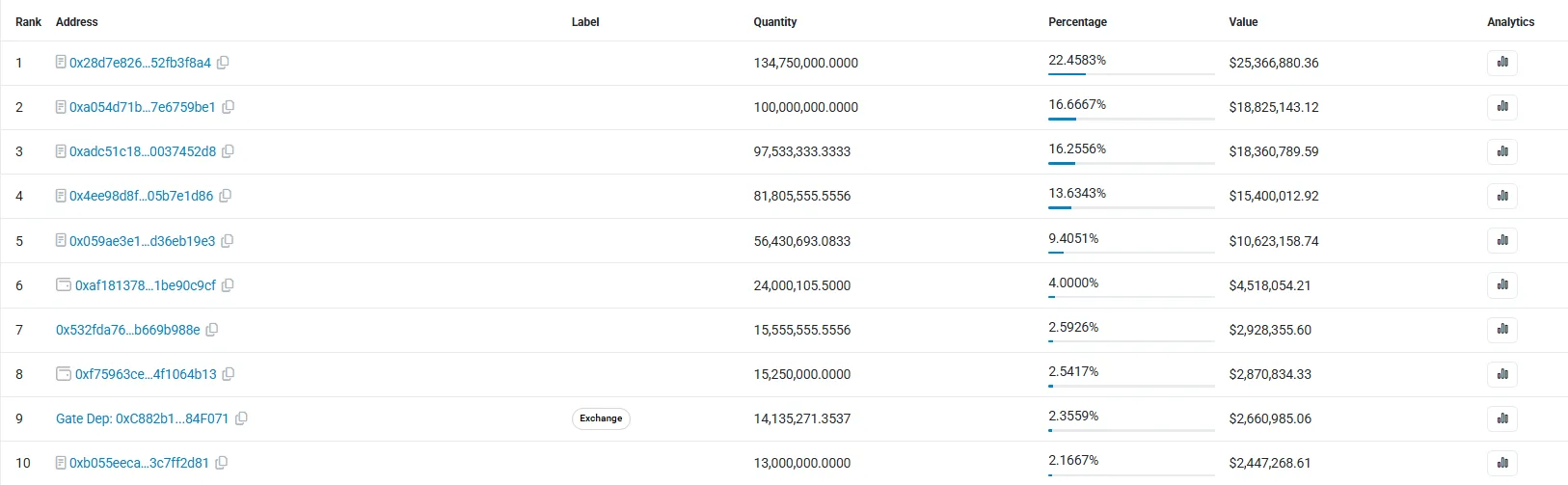
That level of concentration means only a small portion of the supply is actively available for trading. In a market with a limited free float, even modest buying pressure can have an outsized impact on price if major holders choose not to sell.
That appears to have been the case during ON’s recent rally. Despite the sharp price increase, there has been little evidence of meaningful distribution from the largest wallets. With few large sellers absorbing demand, buying pressure translated more directly into higher prices.
This helps explain why the rally was able to gather momentum despite the token’s concentrated ownership.
However, the same market structure also creates downside risk. If major holders begin distributing tokens or future unlocks add significantly to the circulating supply, the limited float that amplified the rally could just as easily accelerate a correction.
Why ON Outperformed Its RWA Peers
ON’s performance has stood out against several established RWA projects. For instance, Ondo Finance (ONDO) gained about 10% over the same period.
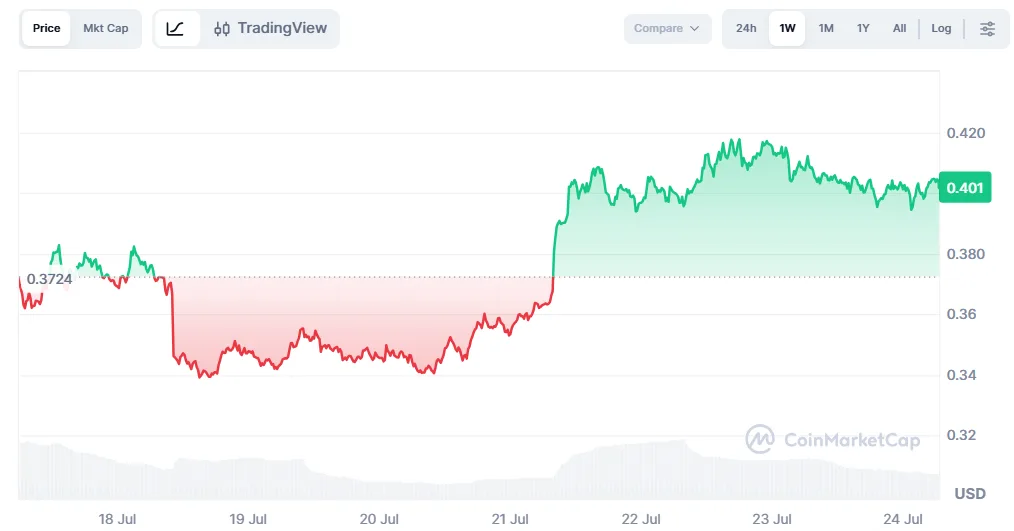
Meanwhile, Centrifuge (CFG) and Maple Finance (SYRUP) rose roughly 1.3% and 0.08%, respectively. None came close to ON’s more than 100% rally.
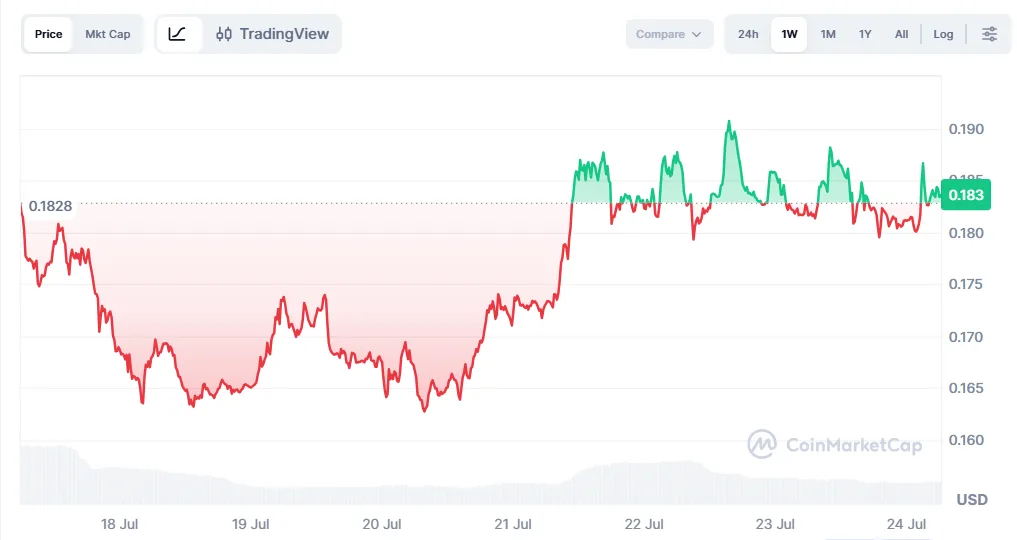
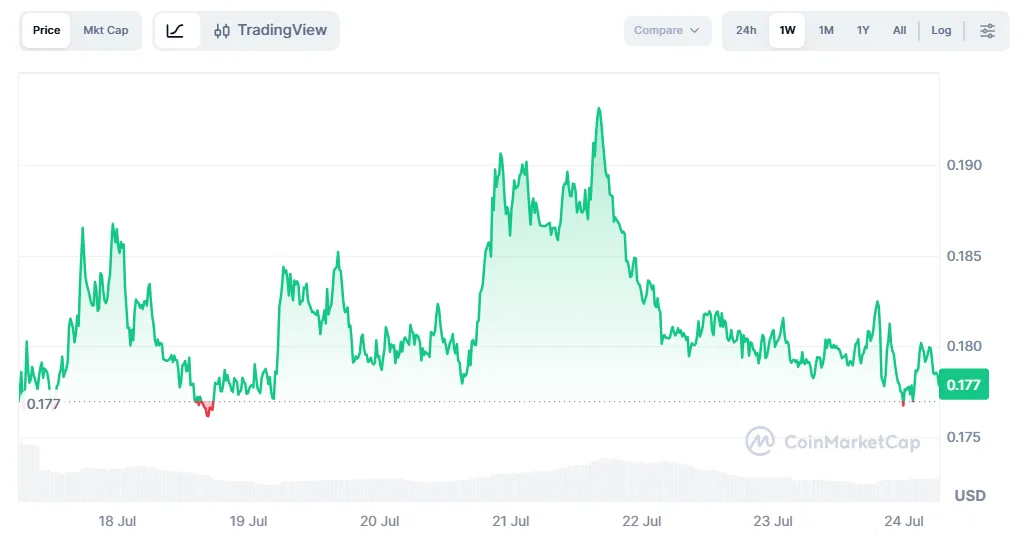
The gap is about more than a stronger narrative. Projects such as ONDO, CFG, and SYRUP trade in deeper, more liquid markets with broader ownership. That generally makes their prices less sensitive to a single announcement because buying pressure is spread across a much larger circulating supply.
ON, by contrast, operates in a much tighter market. Its smaller market capitalization, limited free float, and highly concentrated ownership meant the Chainlink integration had a much bigger impact on price. With little evidence of meaningful selling from the largest holders, fresh demand faced relatively little resistance, allowing the rally to accelerate.
Ownership structure is another key difference. While many RWA projects have sizable allocations to foundations, early contributors, or investors, few match ON’s level of concentration, where the top 10 wallets control roughly 97% of the tracked supply. That tighter float helps explain both the scale of the recent rally and the lack of significant selling pressure during the move.
Final Thoughts
The recent rally coincided with Orochi Network’s recent Chainlink integration, but the token’s ownership structure helps explain why the price move was so pronounced. With major holders largely staying on the sidelines, buying pressure helped drive ON ahead of larger RWA peers.
The move also highlights how market structure can shape short-term price action. Concentrated ownership can amplify gains when demand rises, but it can just as easily accelerate declines if major holders begin selling or more tokens enter circulation. Whether ON can sustain its momentum will depend on whether the project can turn recent attention into real adoption.







 Mishael Nwani | August 14, 2026
 Ephraim Emmanuel | August 14, 2026